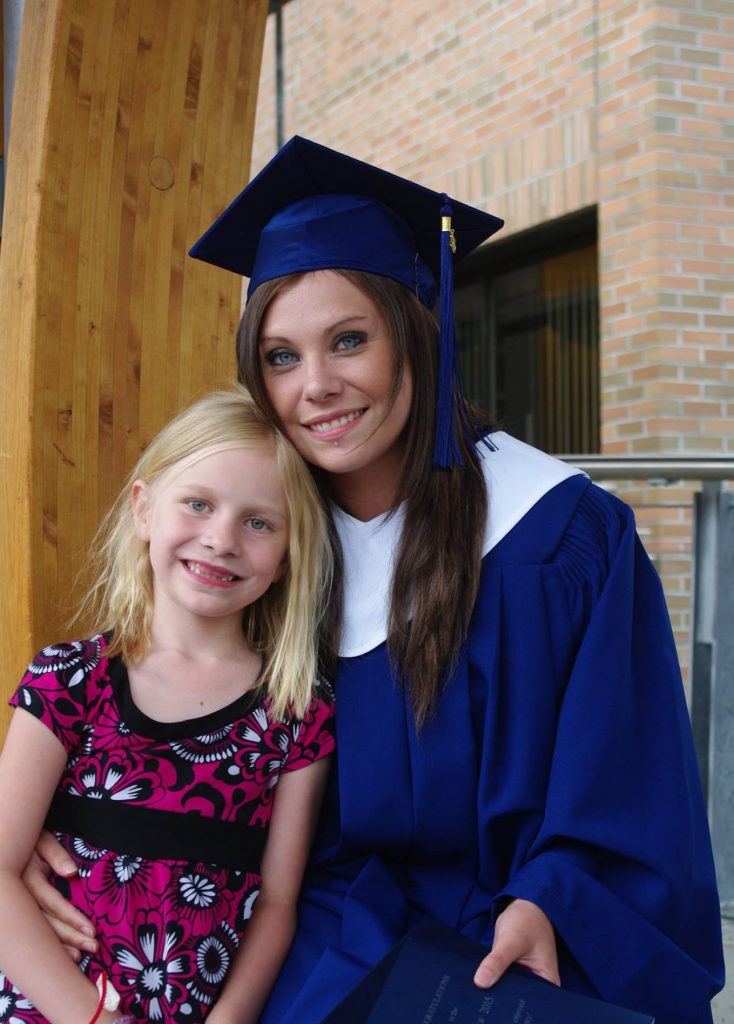
Life can be challenging. Sometimes people need someone compassionate to reach out to when they are struggling. If you lead with empathy, embrace social justice, and want to make a positive difference in the lives of children, adults and families within your community, a career in Human Service Work may be your path.
In our Human Service Work Certificate Program, you’ll study practical skills and foundational knowledge to support people facing diverse challenges. Throughout this 10-month program, you’ll explore helping strategies, communication tools, and systems of support that empower individuals and communities. Graduates enjoy a variety of career options, including supported living for people with disabilities, housing crisis support, mental health and substance use services, family support programs, and more. Hands-on learning is at the heart of the program. Through practicums in local community agencies, you’ll apply your skills in real-world settings. This experiential learning builds confidence, deepens your understanding, and prepares you for meaningful work in the field.
Programs are offered asynchronously online. After completion, you can enter the work field or enroll in our second-year diploma program, which offers opportunities to specialize and expand your career possibilities in diverse fields such as social work, child and youth care, gerontology, disability studies and public health.
The Human Service Work Citation (a collection of 5 courses) is meant for students without prior certification in the field of Human Service or related fields. Courses are offered online and part time only.
The HSW Citation is best described as professional development for people employed in the field of human service who have not received related formal post secondary education.
This course provides students with an introduction to the theory, process, and skills of conflict resolution in child, youth, and family related conflicts. The course will introduce students to the core elements of conflict, restorative justice, mediation, and negotiation, and will provide the opportunity for students to develop skills for negotiating personal and professional disputes.
Minimum Credits: 3
Prerequisites:
Earned a minimum grade of C+ (65%) in at least 1 of the following:
This course provides the student with an introduction to the theory and practical day to day procedures of crisis intervention. Students may be exposed to crisis topics common to a variety of helping profession disciplines, including counseling, education, and social work.
Minimum Credits: 3
Prerequisites:
Earned a minimum grade of C+ (65%) in at least 1 of the following:
HSWR-213 – Introduction to Mental Health Issues for Children and Youth
This course uses a strengths-based approach to working with children and youth with mental health concerns. This course introduces students to the most commonly diagnosed mental illnesses, the direction for interventions, and the professionals presently working in the mental health field.
Minimum Credits: 3
Prerequisites:
Earned a minimum grade of C+ (65%) in at least 1 of the following:
This course provides an overview of current practices, theories, and models for working with people who use substances. Students will learn about the theories of substance use disorder and the ethical considerations for supporting individuals who use substances, with a focus on justice, cultural sensitivity, and awareness of personal biases. The course’s techniques include: analyzing substances’ physiological, societal, and individual impacts, strategies for reducing harm, assessing treatment theories and exploring regional resources, including intercultural understanding and Indigenous people’s perspectives.
Minimum Credits: 3
Prerequisites:
Earned a minimum grade of C+ (65%) in at least 1 of the following:
This course introduces students to the contemporary study of adolescence from a lifespan perspective. It explores the challenges and the strengths of adolescence along with the ways this knowledge can be applied to support healthy development among the diversity of young people in this period of life.
Minimum Credits: 3
Prerequisites:
Earned a minimum grade of C+ (65%) in at least 1 of the following:
Grade 12 graduation with a minimum of C+ in English 12, ENGL 090 or 091, or First Nations English 12 or assessment to acceptable level to determine eligibility.
Current or previous employment in the human/social service field is recommended.
Coordinator permission is accepted in special circumstances.
Your Costs
Tuition and Fees for Domestic Students:
For the 2025/26 academic year (2025/SU, 2025/FA, 2026/WI, 2026/SP)
Application Fee:
$30.00
Tuition:
$2,224.80
Student Association Fee:
$57.50
*Tuition and Fees for domestic students are estimates and are subject to change. Depending on course electives there may be additional lab fees. Tuition and Fees do not include textbook costs or supplies. Tuition fees include student technology fees, student activity fees, and alumni fees. For more information, visit: Tuition and Fees.